
The Practice Space Nobody Judges You In: How Neurodivergent Adults Use Mimicall to Rehearse Social Calls
Autistic and ADHD adults are using Mimicall's AI phone call app to rehearse doctor calls, workplace introductions, and everyday small talk in private, before the real conversation happens.
Some people can walk into a room, dial a stranger's number, and improvise their way through a conversation without a second thought. For a lot of neurodivergent adults, that's not how it works — and that gap is exactly what Mimicall was built to close. Mimicall is an AI phone call app that lets you build a custom AI persona and receive a real phone call from it, so you can rehearse a conversation as many times as you need before the version that actually counts.
For autistic adults, people with ADHD, and anyone who processes social interaction differently, the hardest part of a phone call is rarely the content — it's the unscripted, real-time improvisation. Mimicall turns that improvisation into something you can practice on repeat, in private, with no one watching and no social cost for getting it wrong.
Key Takeaways
- Mimicall lets you rehearse real phone conversations with a custom AI persona before you have the actual call, with no audience and no judgment.
- Scripted, repeatable practice is a well-documented way to reduce social anxiety around unfamiliar interactions — Mimicall applies that principle to phone calls specifically.
- You can build personas for specific scenarios: a pharmacist, a receptionist, a new coworker, a customer service rep — whatever call you're dreading.
- Conversational AI and text-to-speech technology now produce voices realistic enough that the rehearsal actually transfers to the real conversation.
- Mimicall is a rehearsal tool, not a replacement for therapy or social skills coaching — it works alongside both.
Why Is a Phone Call Harder Than It Should Be for Some Brains?
A phone call strips away almost every cue a lot of neurodivergent people rely on to track a conversation. There's no face, no body language, no pause to think before the other person expects an answer. For someone with ADHD, the working-memory load of holding a script in mind while also listening and responding in real time can be exhausting. For an autistic adult, the ambiguity of tone, sarcasm, or an unscripted follow-up question can turn a two-minute call into a source of dread that gets put off for days.
This is not a small-talk problem. It's an executive-function and processing problem, and it shows up on calls that "shouldn't" be hard: confirming an appointment, asking a pharmacy a question, calling a new coworker to introduce yourself. Mimicall exists for exactly this gap — a phone call app where the stakes are zero and the reps are unlimited.
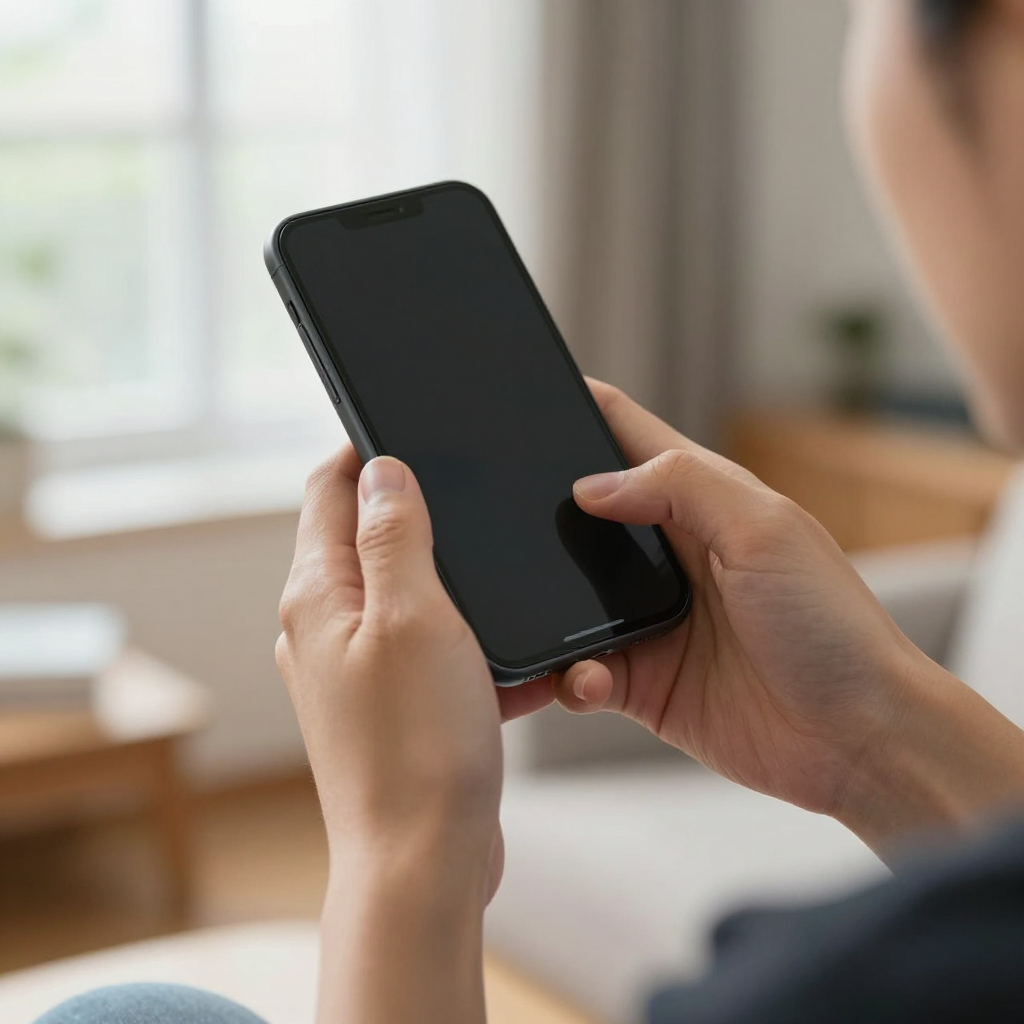
Can an AI Phone Call Really Prepare You for a Real One?
Yes — and the mechanism is the same one behind exposure-based practice used in social-skills coaching, just delivered through a phone call instead of a therapist's office. Conversational AI can hold a coherent, responsive dialogue that adapts to what you actually say, not a fixed script you read at — which is the entire point. A fixed script teaches you to recite; a responsive AI persona teaches you to think on your feet in a low-stakes setting first.
Modern text-to-speech synthesis has crossed a threshold where an AI voice can carry natural pacing, realistic pauses, and appropriate intonation — close enough to a real caller that your nervous system treats the rehearsal as real practice, not as a video game. And natural language processing lets the persona track context across the call, so if you interrupt, trail off, or need to circle back and repeat yourself, the conversation adjusts instead of breaking. That adaptability is what makes the rehearsal transfer to an actual phone call with an actual person.
What Kinds of Calls Do People Actually Practice on Mimicall?
The calls people build personas for tend to be exactly the ones that sit unmade at the bottom of a to-do list:
- Calling a doctor's office to describe symptoms clearly instead of freezing when asked "what's going on?"
- Practicing a call to a new manager or teammate before a first day, so the introduction doesn't feel improvised
- Rehearsing how to ask a customer service line for a refund or a change to an order, including the follow-up questions they're likely to ask
- Working through a landlord or insurance call where the conversation could branch in a few different directions
- Practicing ordering food or making a reservation over the phone — a call that seems small from the outside but can be genuinely difficult to initiate
None of these are dramatic, high-stakes conversations. That's exactly why they matter: small everyday calls, repeated across a lifetime, are where a lot of neurodivergent adults experience the most friction, precisely because the world assumes they're easy.

How Do You Build a Persona That Actually Feels Useful?
Mimicall's persona builder lets you choose a voice, a personality, and a backstory, then decide whether the call comes instantly or on a schedule you set in advance. For rehearsal purposes, the most useful approach is usually to mirror the real situation as closely as possible: if you're dreading a call to a pharmacy, build a persona with a calm, procedural tone and let the conversation include the kind of follow-up questions a pharmacist might actually ask. If you're preparing for a harder social call — reconnecting with a friend, introducing yourself to a new team — a warmer, more conversational persona works better.
Scheduling the call ahead of time, rather than triggering it instantly, also matters more for this use case than people expect: knowing a rehearsal call is coming at 10 a.m. tomorrow gives you the same kind of anticipatory structure as a real appointment, which is often part of what makes the practice feel like it counts.
Is This a Replacement for Therapy or Social Skills Coaching?
No, and it isn't trying to be. Mimicall is a rehearsal space, not a clinical tool. Many users pair it with social skills coaching, occupational therapy, or their own support systems — using Mimicall for the repeated, private practice reps, and their human support for feedback, strategy, and anything that needs a trained professional's judgment. Where Mimicall adds something distinct is availability: a coach or therapist can't run a call with you at 11 p.m. the night before a dreaded appointment, but an AI phone call app can.
FAQ
Can an AI call my phone the same way a real person would? Yes. Mimicall places an actual phone call to your verified number, either instantly or at a scheduled time, using an AI persona with a chosen voice and personality — it rings and sounds like a real call, not a bot reading a script.
Do I need to explain that I'm neurodivergent to use Mimicall this way? No. Nothing about Mimicall requires disclosing anything. You simply build a persona around the scenario you want to rehearse — the app doesn't need or ask for a diagnosis to be useful.
Will the AI's responses feel too robotic to be good practice? Mimicall's personas use conversational AI and natural-sounding text-to-speech, so responses adapt to what you actually say rather than following a fixed script — that responsiveness is what makes the practice transfer to a real conversation instead of just feeling like reading lines.
How many times can I rehearse the same type of call? As many as you need. New users get 10 free credits to start, and there's no limit on rehearsing the same scenario with a slightly different persona each time until the call stops feeling unfamiliar.
The Call You Rehearse Is the One You Actually Make
The goal was never to make phone calls disappear — it's to make the first attempt at a hard one happen somewhere private, with an AI persona instead of a stranger who's judging the pause before you answer. That's the entire premise behind Mimicall: a phone call app built so the rehearsal comes first and the real conversation comes easier because of it. If there's a call you've been putting off — not because it's dramatic, just because it's unfamiliar — that's the one worth building a persona for first. Start with your 10 free credits at mimicall.app and see what the version of you sounds like after a few reps.